
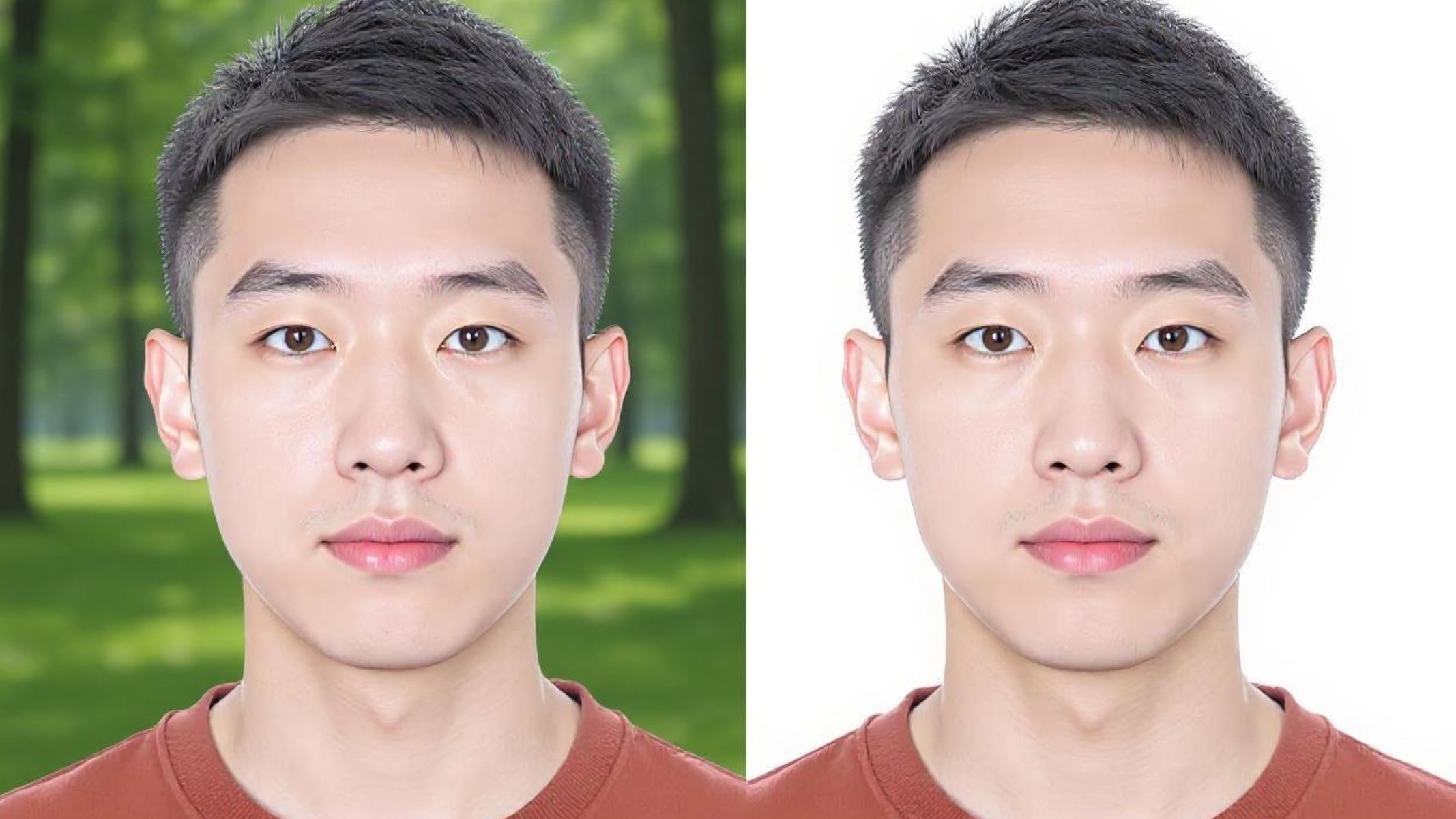
Have you ever struggled to get a clean, professional background for your ID photos? Maybe you took a great shot, but the background was cluttered or just didn’t meet official standards. That’s where background remover tools come in handy. They help you isolate your photo subject from the background, giving you a crisp, plain backdrop perfect for passports, driver’s licenses, work IDs, or visa photos.
What to Look for in a Background Remover Tool for ID Photos
Accuracy and Precision
When it comes to ID photos, accuracy isn’t just a nice-to-have — it’s a must. These photos often need to meet strict government standards for passports, driver’s licenses, and other official documents. A background remover tool should cleanly separate the subject (usually your head and shoulders) from the background without cutting into the edges of your hair, face, or clothing. This is especially important because hair strands or small details like glasses frames can be tricky to isolate, and sloppy cuts can cause your photo to be rejected by government agencies.
A good background remover uses advanced algorithms, often AI-powered, to detect subtle edges and maintain the natural look of the photo subject. The precision of the cutout means no jagged lines or unnatural borders around the person, ensuring the photo looks professional and meets the requirements set by authorities like the U.S. Department of State or the Transportation Security Administration (TSA). For anyone submitting an ID photo in the U.S., this level of detail is critical.
Ease of Use
Not everyone is a photo editing expert, and frankly, who has time to learn complex software? That’s why ease of use is a top priority when choosing a background remover tool. Look for platforms that offer simple, intuitive interfaces where you can upload your photo, and the tool does most of the work automatically. Many modern tools use artificial intelligence to detect and remove backgrounds with just one click, making the process quick and hassle-free.
Ease of use also means accessible features like drag-and-drop uploading, real-time previews, and straightforward download options. Bonus points if the tool provides helpful tutorials or customer support, especially for beginners. This is important in the U.S. market, where many users expect seamless, user-friendly digital experiences on both desktop and mobile devices. The goal is to spend less time wrestling with the software and more time getting your official documents ready.
Output Quality and Format Support
When preparing an ID photo, you must meet specific standards for image quality. This means your background remover should export photos in high resolution and support popular formats like JPEG or PNG without adding compression artifacts that reduce clarity. A blurry or pixelated photo can cause delays or rejections in official processing.
Furthermore, U.S. government agencies often require ID photos to be a specific size, usually 2×2 inches for passports, at 300 dpi resolution or higher. Some background removers allow you to choose output dimensions or provide built-in resizing tools, which can save you a lot of time. Also, look for tools that support transparent backgrounds if you want to add custom backgrounds later, which can be especially useful if the original photo’s background didn’t meet official color requirements. High-quality exports and flexible format options help ensure your ID photo is compliant and looks professional.
Top Background Remover Tools for ID Photos
Remove.bg
Remove.bg is widely recognized as one of the fastest and most accurate AI-powered background removal tools online. It’s specifically designed for instant background removal, making it an ideal choice for users who want a quick and reliable solution without complicated manual editing. In the U.S., it’s popular for preparing ID photos, business cards, and even social media profiles due to its simplicity and precision.
- Fully automatic background removal powered by advanced AI
- Batch upload support for processing multiple photos at once
- API integration available for developers and businesses who want to automate background removal within their workflows
- High-resolution image downloads to meet professional and official photo requirements
Pros:
- Extremely fast processing, often under 5 seconds per image
- Very accurate cuts, especially around challenging edges like hair
- User-friendly with no technical skills required
- Free version available for testing and low-res images
Cons:
- High-resolution downloads require purchasing credits or subscription plans
- Limited options for manual touch-ups or detailed editing within the platform
Remove.bg offers a free version for low-resolution images, which is good for casual users. For professional use, especially in the U.S. where high resolution is essential, paid plans start at around $9 per month. These plans provide credits for high-res downloads and bulk image processing, making it cost-effective for frequent users.
Adobe Photoshop Express
Adobe Photoshop Express brings the power of the legendary Photoshop software into a simplified, mobile-friendly form. It’s perfect for users who want a bit more control over editing but still desire an easy-to-use tool for background removal. Given Adobe’s strong presence in the U.S. creative market, Photoshop Express is trusted by millions for quick photo edits, including ID photo preparation.
- Easy-to-use background cutout tool that removes backgrounds with minimal effort
- Integrated photo editor that allows for additional enhancements like brightness, contrast, and cropping
- Syncs with Adobe Creative Cloud, enabling seamless file sharing across devices
Pros:
- Backed by Adobe’s trusted brand and technology
- Rich editing tools for perfecting photos after background removal
- Free version available with basic features, ideal for casual users
Cons:
- Some advanced features and tools require a paid Adobe subscription
- Slight learning curve for users unfamiliar with Adobe products
The basic version of Adobe Photoshop Express is free to download and use. However, premium features, including enhanced editing tools and background removal enhancements, require a subscription costing about $9.99 per month. This is a good investment for those in the U.S. who frequently need professional-quality ID photos and additional photo edits.
Fotor Background Remover
Fotor is an all-in-one online photo editor with a dedicated background remover tool. It’s a solid option for users who want to quickly fix or update ID photos without dealing with complex software. Fotor’s AI-powered background remover is ideal for straightforward editing, popular among U.S. users looking for affordable and accessible tools.
- Automatic AI background removal with decent accuracy
- Touch-up tools that allow users to manually refine edges or restore parts of the image
- Both free and paid subscription options with varying levels of functionality
Pros:
- Intuitive interface suitable for beginners and casual users
- Supports direct sharing to social media platforms, useful for quick profile updates
- Affordable Pro plan with enhanced editing tools and no ads
Cons:
- Background removal can be less precise with complex or detailed images
- Free version displays ads and limits some features
Fotor offers a free version with basic editing and background removal but includes ads and limited output resolution. The Pro plan costs around $8.99 per month, removing ads and unlocking higher quality exports and more editing tools, making it a budget-friendly option for users in the U.S.
How to Choose the Right Tool for Your ID Photo Needs
Choosing the right background remover tool for your ID photo depends heavily on your personal skills, budget, and how often you plan to use the tool. If you’re someone who prefers a hassle-free, automatic experience, AI-powered background removers like Remove.bg or Canva are excellent choices. These tools are designed to do most of the work for you, automatically detecting and removing backgrounds with impressive accuracy. This is especially helpful if you don’t have much photo editing experience or simply want to save time.
On the other hand, if you want more control over the process, such as manually adjusting edges or fine-tuning details, tools like PhotoScissors or Adobe Photoshop Express might be better suited for you. These options provide more flexibility for users who want to get the perfect look or need to meet strict ID photo requirements. Additionally, consider the support system of each tool—tools that offer comprehensive tutorials and responsive customer service will make your editing process smoother, especially if you’re new to photo editing.
| Factor | AI-Powered Tools (e.g., Remove.bg, Canva) | Manual Control Tools (e.g., Photoshop Express, PhotoScissors) | Budget Considerations | Support & Tutorials |
| Skill Level | Ideal for beginners and fast automatic removal | Better for users wanting precise control over edits | Free versions available; paid plans for higher quality | Some tools offer extensive tutorials and customer support |
| Accuracy | High AI accuracy, limited manual tweaking | High control, manual correction possible | Paid tools usually offer batch processing and high-res exports | Tools with active support are easier for beginners |
| Usage | Great for occasional or frequent use | Best for users who frequently edit or require detailed results | Budget-friendly options available for all use cases | Look for community forums and step-by-step guides |
Step-by-Step Guide to Using a Background Remover Tool
Getting started with a background remover tool is pretty straightforward, but following a clear workflow helps avoid mistakes and speeds up the process. First, prepare your photo by choosing a clear, well-lit image with a distinct background. This makes it easier for the tool’s AI to separate you from the background accurately. Avoid shadows or clutter behind you as much as possible, as these can confuse the algorithm.
Next, upload your photo to the chosen tool by dragging and dropping it or browsing your device to select it. Most modern AI tools will automatically detect and remove the background within seconds. However, sometimes the automatic process might miss fine details or create rough edges. That’s when manual fine-tuning comes in handy — use brushes or erasers provided by the tool to smooth edges or restore parts of the image you want to keep. Finally, download your finished photo in the required format and resolution, ready to be submitted for your ID.
Tips for Perfect ID Photos After Background Removal
After removing the background, your ID photo still needs to meet official requirements to be accepted. One key tip is to use neutral background colors like white, light blue, or other shades specified by your ID’s regulations. These colors ensure your photo looks professional and complies with standards set by U.S. government agencies like the Department of State. A neutral, clean background also helps your face stand out clearly without distractions.
Another important tip is to make sure your face is fully visible without shadows or obstructions. Shadows can interfere with facial recognition software and may lead to rejection of your photo. Always double-check the size and resolution requirements before submitting your ID photo. Most U.S. IDs require a 2×2 inch photo at 300 dpi resolution. Using a background remover tool that allows you to set the exact dimensions or offers resizing options is very helpful here.
Common Mistakes to Avoid When Removing Backgrounds
One common mistake is over-editing your photo so much that it ends up looking unnatural. Excessive smoothing or artificial backgrounds can make the photo fail official scrutiny and get rejected. The goal is to keep your ID photo looking as close to a natural portrait as possible, only changing the background to meet official requirements.
Another frequent issue is uploading low-resolution images. Low-res photos result in pixelated, blurry final images that don’t meet official standards. Always use high-quality source images to start with, and ensure your background remover tool exports the final image in the correct resolution without compression artifacts. Finally, don’t ignore the official ID photo standards specific to your document type. Different IDs may have unique size, background color, and facial expression requirements, and failing to comply with these can cause delays or rejection.