
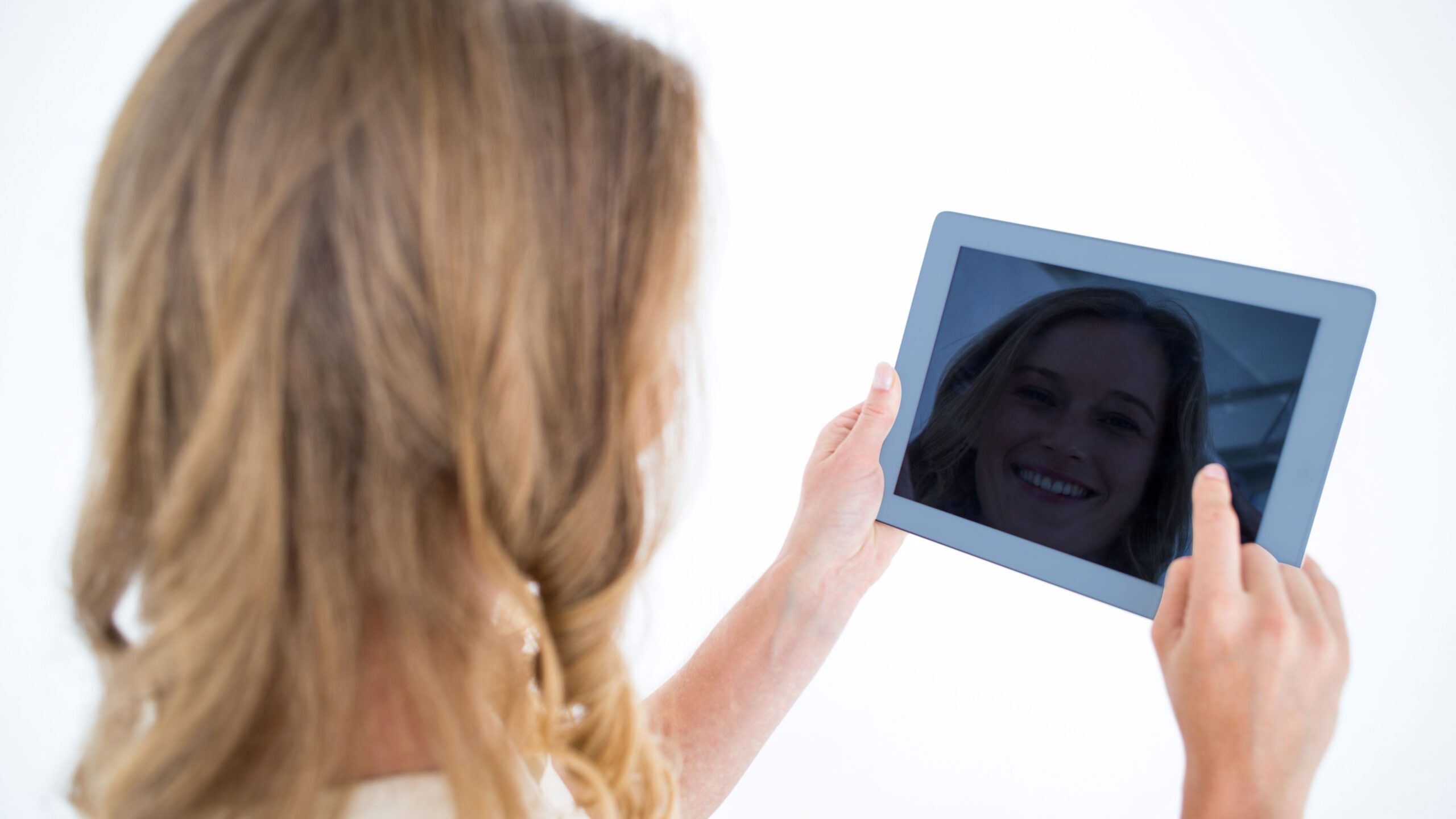
Have you ever wondered if your trusty iPad could double as your personal visa photo booth? In this digital age, almost everyone carries a powerful camera in their pocket—or in this case, on their lap. Visa photos, once the territory of specialized studios, are now more accessible to DIY photography enthusiasts. But can you actually use an iPad to snap a visa photo that meets all the strict official requirements? Let’s dive deep into what you need to know before you hit that shutter button.
Visa Photo Requirements
Photo Size and Dimensions
For U.S. visa applications, the required photo size is exactly 2 x 2 inches (51 x 51 millimeters). This is a non-negotiable standard, and the photo must be square in shape. The size includes the entire photo, with your head and shoulders fitting properly inside this frame. Within this 2-inch square, your face—from the bottom of your chin to the top of your head—should measure between 1 inch and 1 3/8 inches (25 mm to 35 mm). Ideally, your face should occupy about 50-69% of the photo’s height to meet the framing guidelines.
Background Color and Lighting
The background of your visa photo must be plain white or off-white and completely free from patterns, shadows, textures, or objects. This neutral background helps highlight your facial features clearly and avoids distractions. Many professional visa photo studios use special backdrops to guarantee this standard, but if you are taking a photo yourself, it’s important to create a similar setup at home, such as a white wall or a seamless white sheet.
Lighting also plays a critical role. The light should be even and balanced to avoid casting shadows on your face or the background. Shadows can obscure facial features or create unwanted contrast, which might lead to photo rejection. Ideally, you should take your photo in a well-lit room with natural light or use diffused artificial light from multiple sources. Avoid harsh lighting from one side or overhead lighting that causes shadows under the chin or around the eyes. Correct lighting and a plain background together ensure the photo meets U.S. Department of State standards.
Facial Expression and Pose
Your facial expression in a visa photo must be neutral, which means no smiling, frowning, or other expressions that alter your natural look. The eyes must be open and clearly visible, and your mouth should be closed. This neutrality helps provide a consistent and professional image for identity verification. You should face the camera directly with your head straight and level; any tilt or turn of the head is not allowed.
The photo must also show your full face, with no obstructions such as hats or sunglasses (unless for religious or medical reasons, and even then, the face must be fully visible). Hair should not cover the eyes or any part of the face. Maintaining a neutral expression and correct pose ensures that the photo accurately represents your true appearance and complies with the official visa photo standards.
Using an iPad for Taking Visa Photos
Many people wonder if they can use their iPad to take a visa photo at home. The good news is that modern iPads have cameras capable of producing high-quality photos, but you must consider both the benefits and challenges to ensure the photo is acceptable for official use.
Camera Capabilities of iPads
Modern iPads come equipped with high-resolution cameras, with the latest models featuring rear cameras that can capture images up to 12 megapixels or more. These cameras are capable of producing sharp, detailed photos with good color accuracy and clarity, which are key qualities for visa photos. The front-facing cameras, while generally of lower resolution than the rear ones, are also quite decent and can be used if needed, especially when you don’t have someone else to take your photo.
The iPad’s advanced camera software supports features like auto-focus and exposure adjustments, which can help ensure your face is clearly visible and well-lit. However, the quality of the photo depends not only on the camera specs but also on external factors like lighting conditions, background setup, and how steady the device is when taking the shot.
Advantages of Using an iPad for Photos
Using an iPad to take your visa photo offers several convenient benefits. First, the large screen allows you to preview your photo instantly and in detail, which is something you don’t get with smaller smartphone screens or traditional cameras. This makes it easier to spot issues like poor lighting or an incorrect background and retake the photo immediately.
Second, the iPad allows quick adjustments to camera settings or even using photo apps to fine-tune your shot before submission. Third, it offers portability and flexibility—unlike visiting a professional studio, you can take the photo anytime at home without appointments or extra costs.
Advantages summary:
- Large screen for easy and detailed preview
- Simple to adjust settings and retake photos instantly
- Portable and convenient, saving time and money
Potential Limitations and Challenges
Despite these advantages, there are some challenges when using an iPad for visa photos. First, most iPads have fixed lenses with no optical zoom, meaning you have to physically position yourself at the correct distance to get the framing right. This can sometimes make it hard to perfectly center the face or maintain the required photo size without a tripod or stand.
Second, the position of the iPad’s camera (especially the front camera) may require some trial and error to get the right angle and avoid distortion. Without a tripod or stable holder, the image can be blurry or poorly framed due to slight hand movement.
Finally, controlling the background and lighting can be tricky without professional equipment. Since the iPad camera will capture everything in its frame, any wrinkles, shadows, or objects behind you might appear in the photo and cause rejection. Proper lighting setup and a clean background are essential, but not always easy to achieve at home.
Challenges summary:
- Fixed lens means careful physical positioning needed
- Camera angle and stability can affect framing and sharpness
- Background and lighting control can be difficult without extra equipment
Step-by-Step Guide to Taking a Visa Photo with an iPad
Taking a visa photo with your iPad can be straightforward if you follow the right steps carefully. The goal is to replicate the professional photo studio environment as much as possible to ensure your photo meets all official requirements. Each step plays a vital role in producing a clear, compliant visa photo.
First, start with preparing your background. The background should be plain white or off-white with no wrinkles, patterns, or objects visible. Hanging a clean white sheet or standing in front of a white wall works best. Make sure there are no shadows on the background, which can be tricky but is important because shadows may cause your photo to be rejected. Positioning your subject several feet away from the background can help reduce shadows.
Next, set up proper lighting to ensure your face is evenly lit without shadows or harsh spots. Ideally, use two light sources placed on either side of the subject to create balanced lighting. If natural daylight is available, a spot near a window can work well, but avoid direct sunlight that may cause glare or shadows. Soft lighting helps highlight your facial features clearly without distorting colors or creating uneven illumination.
The iPad itself should be positioned on a tripod or steady surface to avoid blurry images caused by hand movement. The camera should be at eye level and placed approximately 4 to 6 feet away from the subject. This distance allows for the correct framing of your face and shoulders within the photo frame, helping to meet the size requirements.
When posing for the photo, look directly at the camera with a neutral expression—no smiling or frowning—and keep your mouth closed. Both eyes should be open and clearly visible, and your head must face straight forward without tilting. The posture is crucial for compliance and ensures your identity is properly captured.
It’s a good practice to take multiple photos to increase your chances of getting the perfect shot. Sometimes minor changes in lighting, expression, or angle can make a big difference. Take several pictures and then review them carefully to select the best one.
Finally, review your photos closely for sharpness, lighting, background consistency, and overall adherence to visa photo rules. Check for any shadows, reflections, or blurriness. If any issues arise, retake the photo until you have one that meets the requirements.
| Step Number | Action | Details | Tips |
| 1 | Prepare your background | Use a plain white sheet or wall with no wrinkles or shadows | Distance from background reduces shadows |
| 2 | Set up lighting | Use soft, even lighting on both sides of the face | Natural light near window works well |
| 3 | Position the iPad | Place on tripod or steady surface at eye level, 4-6 feet away | Keep camera stable to avoid blurry images |
| 4 | Pose correctly | Neutral expression, head straight, eyes open | No smiles or tilts, keep mouth closed |
| 5 | Take multiple shots | Capture several photos to choose the best | Vary slight angles or lighting if needed |
| 6 | Review photos | Check sharpness, lighting, background | Retake if shadows, blurriness, or errors |
Editing and Formatting Your Visa Photo
Importance of Editing for Compliance
After taking your photo, editing is often necessary to ensure the image complies with strict visa photo specifications. Adjusting the size and cropping the photo to the exact dimensions is essential; any deviation might lead to the rejection of your application. A photo that is not square, or where the face is too small or too large within the frame, will not pass official scrutiny. Additionally, the background color must be uniform white or off-white, so brightness and contrast adjustments might be required to achieve this.
Beyond resizing and cropping, minimal editing can improve the overall quality of your photo without altering your natural appearance. However, it’s important to avoid heavy filters, retouching, or any changes that modify your facial features, as this can also result in rejection. The goal is a clean, clear, and accurate representation of yourself that meets all government requirements.
Recommended Photo Editing Apps on iPad
The iPad offers many user-friendly apps suitable for editing visa photos. Popular options include Photoshop Express and Lightroom, which provide professional-grade tools to adjust size, brightness, contrast, and cropping precisely. Additionally, there are specialized visa photo apps designed to guide you through the editing process, automatically cropping the photo to the right size and checking for compliance with official standards.
These apps often include features that simplify background editing and ensure color consistency, making it easier to prepare your photo without needing advanced editing skills. Using these tools on your iPad allows you to handle the entire process—from capture to editing—on one device, saving time and effort.
Adjusting Size, Cropping, and Background
When editing, first crop your photo to exactly 2 x 2 inches (51 x 51 mm) to meet U.S. visa requirements. Make sure your head is positioned centrally and sized correctly within the frame, typically covering 50-69% of the photo’s height. Align the head so that the chin and top of the hair fit comfortably inside the frame without being cut off.
If the background isn’t perfectly white or has shadows, increase the brightness or adjust the contrast to even out the color. Many editing apps offer tools like “background eraser” or “whiten” to help make the backdrop uniformly white. Be cautious not to overdo these edits; the goal is to keep the image natural and avoid artificial effects. After adjustments, review your photo carefully to confirm it still looks like a true representation of yourself and meets all the official guidelines.